How to Fertilize Leaves Without Turning Them Crispy And What Is Foliar Feeding
How to Mix Foliar Spray Like You Know Why Spraying Both Sides of Leaves Matters More Than You Think. Yellow Leaves with Green Veins? This Might Be Iron Deficiency
leaf lovers, let us talk about something that sounds kinda science-y but is actually a game changer in the garden. Foliar feeding. Yep, we are talking about spraying fertilizer right onto your plant’s leaves instead of just dumping it into the soil and hoping for the best. Turns out, your plants can slurp up nutrients through their leaves too. Who knew?
Now before you grab a hose and go wild, let us walk through the how, when, and why of foliar fertilizer. Plus a few classic “do not do what I did” stories so you do not end up with crispy lettuce.
First of All… What the Heck Is Foliar Feeding?
Some nutrients, especially things like iron, do not always make their way from soil to root to leaf very efficiently. That is where foliar feeding steps in. You mix up a special foliar spray, spritz it on the leaves, and boom. Your plants get a nutrient boost straight to their leafy faces.
This method is super helpful if you are dealing with something like iron deficiency in plants. You know, when you spot yellow leaves with green veins and panic that your tomato plant is dying? That is often a classic iron issue, and foliar feeding is your fast-track fix.
When Should You Foliar Feed? Timing Is Everything
Okay, lesson learned the hard way. Do not spray fertilizer when the sun is blazing.
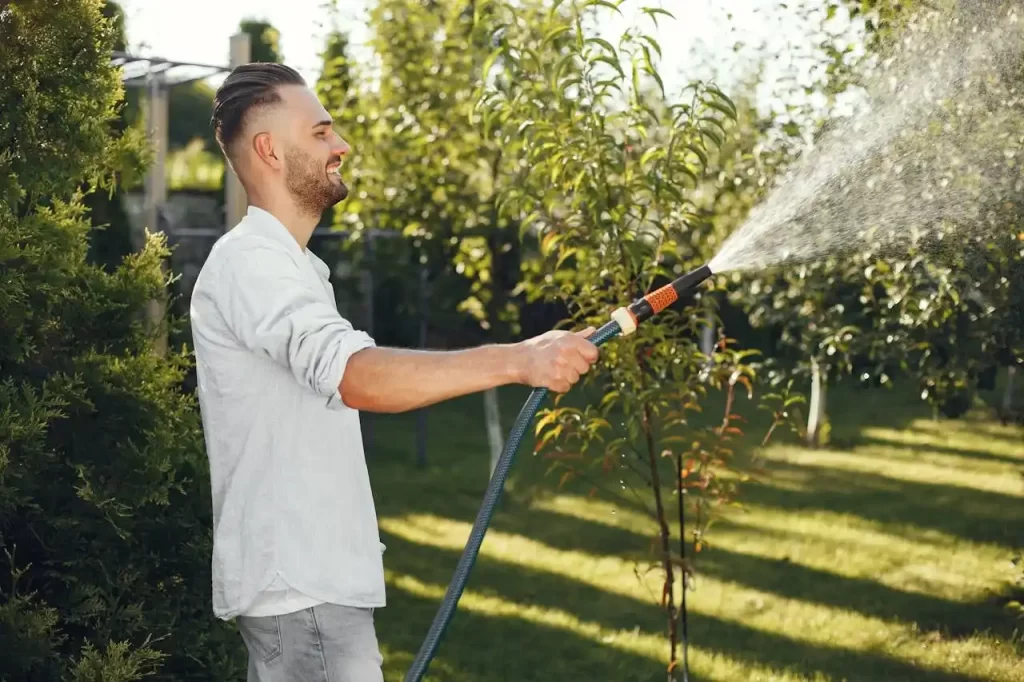
Pick an overcast day. Seriously. Some leaves, especially tender ones, will scorch faster than you can say “oops” if you hit them with nitrogen under direct sunlight. That is what folks mean when they talk about leaf burn from fertilizer. Been there, done that, buried the plant.
Early morning or evening works too, as long as the sun is not beating down.
How to Mix Foliar Spray Like a Pro (or at Least Not a Total Rookie)
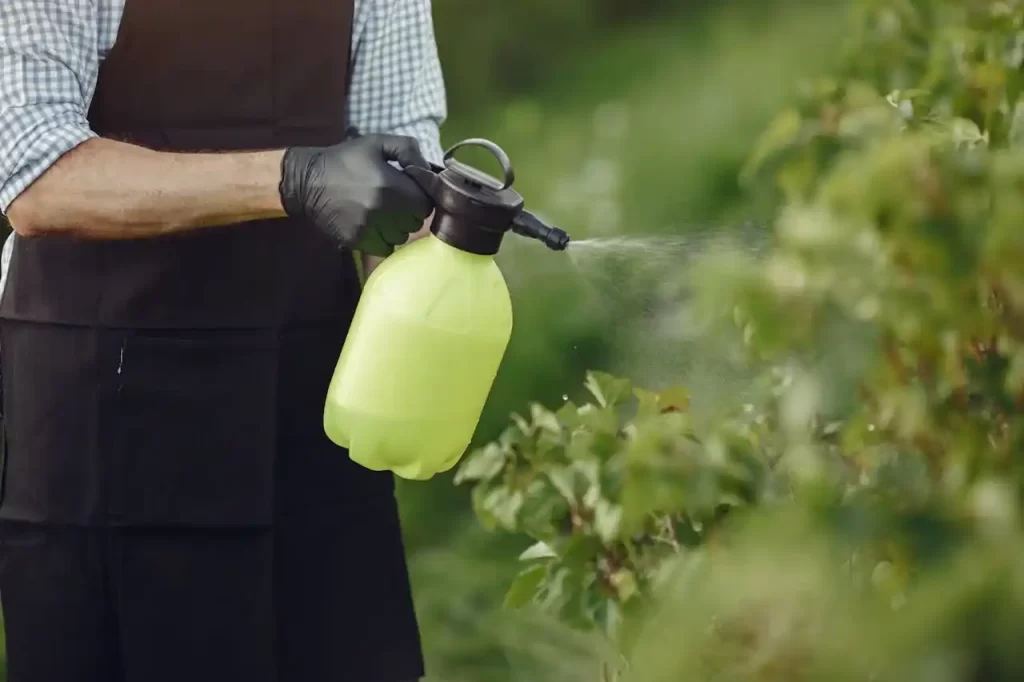
Now grab yourself a garden sprayer. Do not just eyeball it and dump stuff into a watering can. Foliar feeding is about fine misting, not drenching.
Start with a seaweed foliar spray if you are new to this. The benefits of seaweed? Oh, let me count the ways. It is like green juice for your plants. Full of minerals, boosts resistance, and just makes things perk up. Tomatoes especially love it. Speaking of which…
Foliar Feeding Tomatoes? Add a Little Epsom Salt Magic
If you grow tomatoes (and honestly, who does not?), you will want to try foliar feeding tomatoes with Epsom salts. Just a pinch of it in your spray mix can give your tomatoes a magnesium kick they will actually thank you for. Healthier leaves, better fruit. Plus, it is weirdly satisfying to spray them. Do not ask me why.
Spray Both Sides… Yes, Even the Underside
Here is a tip people forget. Spray both sides of the leaves. Nutrients are absorbed through stomata, and guess where most of those are hiding? Yep. Underside. I used to rush through it, and once I actually flipped a few leaves to check. Completely dry underneath. Rookie move. Learn from me.
Clean Your Gear or Regret It Later
When you are done, rinse out your sprayer with clean water. Those salts in fertilizer? They will mess up the metal parts if you just leave it sitting there. Trust me, corrosion sneaks up like garden gnomes in the night.
Bonus: Which Plants Are the Greedy Ones?
From what I have seen in my own garden jungle, fast-growing plants like tomatoes, peppers, basil, and anything leafy and green tend to gulp down foliar sprays like they have not eaten in a week. Think of them like the hungry teenagers of your garden. They do not want to wait for the soil buffet to kick in. They want that nutrient smoothie straight to the face, and foliar feeding gives it to them fast. If your plants grow fast and act dramatic when they are hungry, they are probably the ones who will love foliar feeding the most.
Is It Worth It?
Absolutely. If your plants are looking a little sad, or you are battling plant nutrient deficiency that soil feeding just is not solving, give foliar feeding a shot. It is quick, effective, and honestly kind of fun. Just avoid sunny hours, spray thoroughly, and keep that sprayer clean.
Oh, and never mix your spray in the dark while half-asleep. That is how you end up accidentally fertilizing your shoes. Again, not speaking from experience or anything… okay, maybe just once.
Want to nerd out more on how to fertilize leaves or chat about weird garden hacks? Drop a comment. Gardeners gotta stick together.
Happy spraying, leaf friends.