How I Kept My Gifted Orchid Alive And How You Can Too
When someone handed me that orchid as a gift, I smiled… and panicked inside. I have killed enough houseplants to know that orchids have a reputation. You know the type: elegant, fragile, and notoriously fussy. But I was determined. That little beauty was not going to end up in my compost bin like a floral one-night stand.

Fast forward six months, she is still alive. Not just alive, thriving. Here is exactly what worked for me (no guesswork, no fluff), so you do not have to doom-swipe “how not to kill an orchid” at 2 AM.
What Was That Orchid Anyway?
When I first glanced at the plant tag that said “Phalaenopsis“, I blinked twice. Honestly, it looked more like a spell than a plant name. Definitely not something I expected next to the bananas at the grocery store.
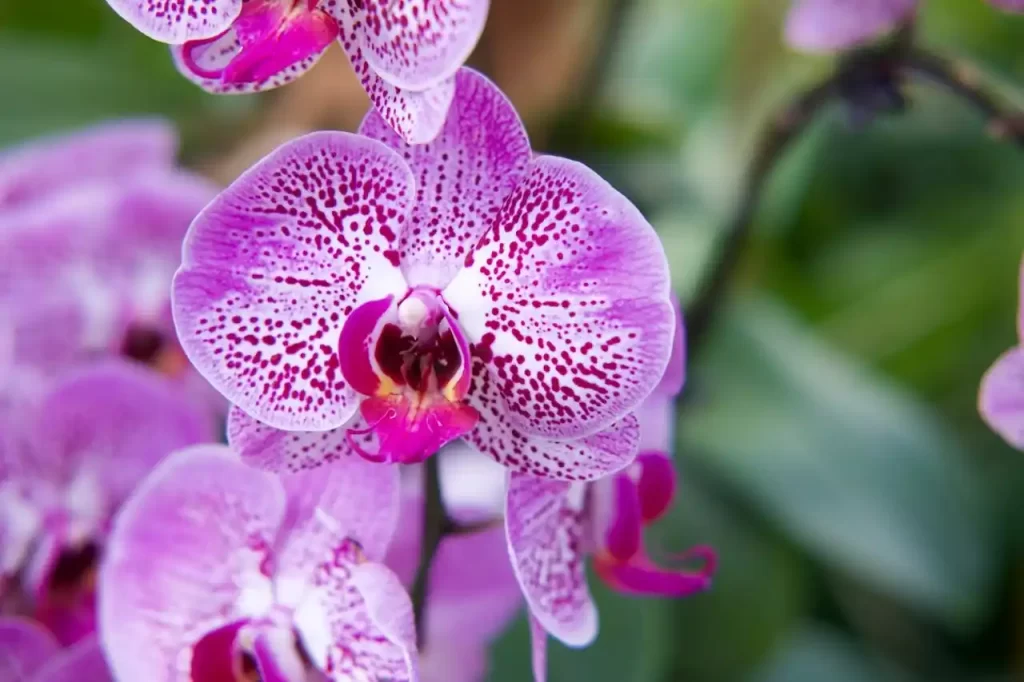
Turns out, that mouthful of a name belongs to one of the most giftable orchids out there. People love them because they look fancy but do not demand a plant whisperer to survive. That works out for people like me, who once killed a cactus. If yours looks like a butterfly made of velvet with thick, glossy leaves, congratulations, you have got a moth orchid.
Other common types include:
- Dendrobium (cane orchids, tall and upright)
- Cattleya (the corsage ones, dramatic and scented)
- Oncidium (tiny flowers, often yellow)
Each has a slightly different vibe, but their basic care is not wildly different. Let us dig in.
Light: Indirect But Bright Is the Sweet Spot
This is where I messed up at first. I stuck mine on a windowsill that got blazing afternoon sun. Bad move. The leaves started looking sunburned, leathery and yellowish.
What worked: A north- or east-facing window, or even a spot near a sheer-curtained window. Think “bright enough to read without squinting,” but not “tanning bed for plants.”
Watering: Less Is So Much More
Orchids do not like wet feet. I learned the hard way. Soggy roots are the fast lane to a dead orchid.
What I do now: I wait until the roots go silvery-grey (yes, you can see them, they often poke out of the pot). Then I give it a slow soak under the tap until water runs through. No fancy ice cubes. Just once a week in winter, twice in summer if it is bone dry.
Potting Mix: Bark Over Dirt, Always
Here is the kicker: orchids are air plants in disguise. They do not grow in soil. Ever.
So if your gifted orchid came in peat moss or potting soil, gently repot it in orchid bark mix. That stuff lets roots breathe. Bonus tip: a clear plastic pot helps you spot root issues before it is too late.
What About After the Flowers Drop?
This is where most folks give up. Blooms fade, and they think the plant is dead. Nope.
Here is what to do:
- Cut the flower spike just above a node (that bump on the stem)
- Keep watering and feeding as usual
- Be patient. Mine rebloomed about four months later.
The Real Secret? Consistency, Not Perfection
Orchids are not out to get you. They just do not love chaos. If you find a spot they like, do not move them around too much. Feed them every few weeks with a balanced orchid fertilizer, and skip the misting unless your air is desert-dry.
TL;DR Summary (Because Life Is Busy)
- Bright, indirect light
- Water only when roots turn silver
- Use bark, not soil
- Clear pot equals healthier orchid
- Patience equals reblooms
Final: Do Not Be Intimidated
If I can keep mine alive, after killing three pothos and a succulent, you can too. Orchids are not nearly as dramatic as people make them out to be. They just need the right setup and a little consistency.
Treat them like the living gifts they are. Trust me, there is nothing like seeing a new spike peek out and realizing: I kept this alive. I did it.