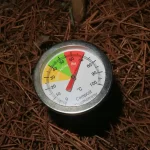
How to Grow a Healthy Garden – It All Starts with Your Soil
You Want a Healthy Garden? My Soil Was Trash. Now I Grow Food in It, No One Tells You About Starting a Garden Naturally.
Look, I was not planning to fall in love with my compost bin. Or spend Saturday squinting at a soil pH test like I was decoding a secret message from Mars. But here we are. Dirt under my nails, a watering schedule scribbled on the fridge, and my neighbors whispering, “Her zucchini are huge this year.” So yes. I figured I would share the madness.

First test your soil. Yes, really.
I thought this was optional. Like flossing or checking tire pressure. Turns out, if your garden soil health is a mystery, your plants will grow like they are guessing. Or worse, they will sit there doing absolutely nothing while you mutter at them. You can use a home kit (which is what I did because I am impatient), or drop a sample off at a lab if you like waiting for results and feeling official.
My first test told me my soil had the nutritional value of stale cereal. So… fixable.
Then came the soil prep. And the sweat.
Tilling the beds sounded like a charming country life thing to do. It is not. It is back-breaking. Manual weeding? Also not romantic. Especially if you are trying to rip out invasive Bermuda grass at 7:30 AM before the sun turns your yard into an oven. But clearing all that junk and fluffing up the soil is weirdly satisfying once you get past the angry inner monologue.
Tip: if you see a worm, say thank you. If you do not see any? You need more. Like, way more.
I actually went out and bought a container of earthworms like some people buy houseplants. Because apparently, they are the unpaid interns of the organic garden world. They do everything. They churn, they fertilize, they basically host a garden rave underground.
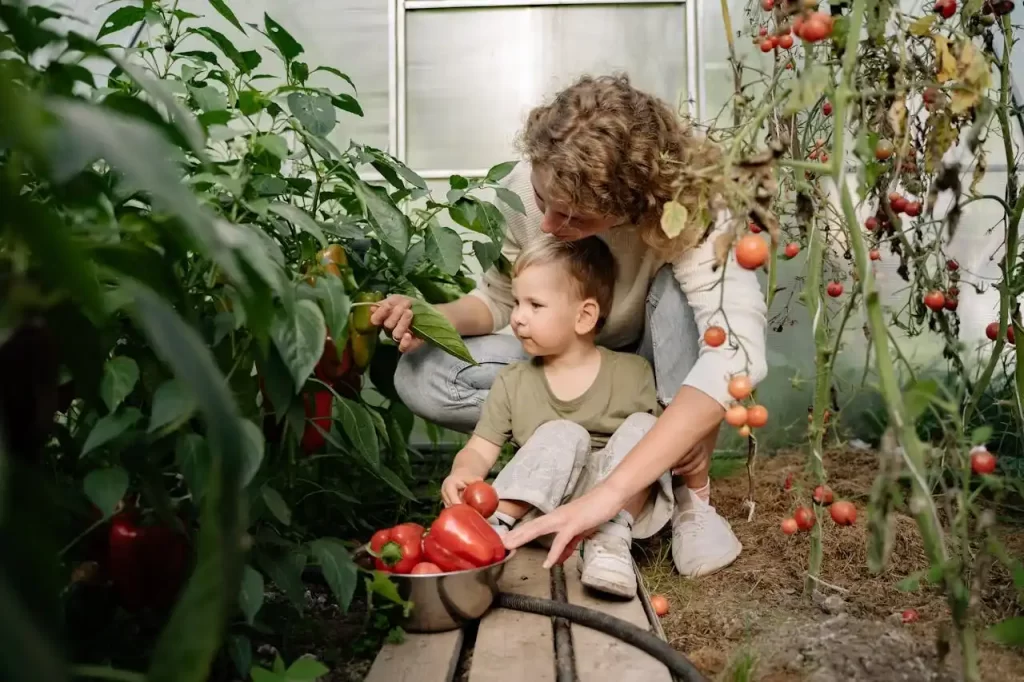
Add compost like you mean it.
I dumped a good 5 inches of homemade compost into the top layer of my garden beds. Not one of those dainty sprinkles. Full commitment. And yes, you will question your life choices while shoveling rotted food. But once you see how fluffy and alive that soil gets? Totally worth it.
Choose native plants or prepare for regret.
Here is the deal. Native plants are not just about looking earthy and poetic. They actually live through the weird weather swings, ignore most pests, and thrive without coddling. Unlike that bougie tomato variety I once tried that basically fainted at the first sign of heat. I will never go back.
On fertilizer: slow and steady wins the race.
I use a slow release fertilizer made from organic matter—none of that chemical soup. Two or three times a year. Not five. Not every full moon. Just enough to keep things moving without turning your garden into a jungle on steroids. You want growth, not chaos.
The watering schedule wars.
Some people treat their gardens like dehydrated celebrities—constant misting, attention, drama. No. Deep water, once a week, maybe a little more in peak heat. Adjust depending on your zone, sure. But drowning your roots is not love. It is over-parenting.
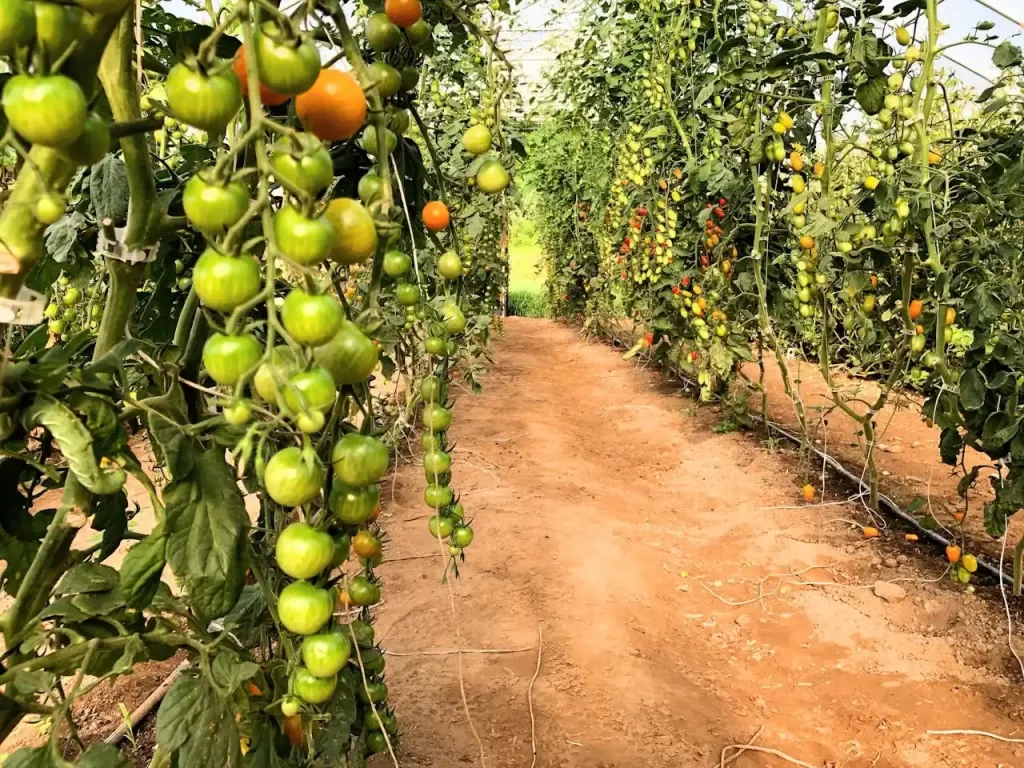
Mulch. All of it.
Mulch might be the unsung hero here. I used compost and some shredded tree products I picked up from a local arborist. Bonus: it smelled like a forest after rain. Keeps moisture in, keeps weeds down, keeps your garden from baking in the summer. Do not skip it. Just… do not.
Weeds? You pluck them. Like it is 1892
Manual weeding sounds cute until your hamstrings start to cry. I have tried all the tools—weed hounds, dandelion diggers, whatever they sell at the farmer’s market. Honestly? Sometimes your hands are just better. More accurate. More satisfying. Like revenge. Green revenge.
Bugs. Ugh. Use the nice stuff.
I went full rage-mode on aphids last spring. But instead of going chemical warfare, I used a nontoxic pest control mix with oil, soap, and a little cayenne for drama. Safe, surprisingly effective, and my garden did not smell like death afterward. Wins all around.
So yes… eventually… it flourishes.
Not overnight. Not without trial and error and a few plant funerals. But once you get the balance right—between soil health, water, good bugs, bad bugs, compost, patience—it sort of clicks. I walk out now and it feels like the garden is doing its thing without micromanagement. Like it has its own rhythm. I just poke around with coffee and maybe deadhead a few flowers.
If you made it this far:
This whole thing? It is sustainable gardening in the messy, sweaty, wildly imperfect way. Not the Instagram version. But real. Tangible. Honest-to-goodness joy with a side of dirt.