Thinking About Buying a Composter OR Your Banana Peels
So, you have a pile of kitchen scraps that looks like a raccoon’s dream. Maybe some old lettuce leaves, a bruised banana, and coffee grounds that smell better than they should. Add in some crunchy leaves from your yard, and you are basically sitting on a gold mine. Well, not real gold. Compost gold. The kind your garden will love even more than you do.
But before you go tossing scraps into a random bin and hoping for magic, there are a few things to consider. Composting can be as easy or as complicated as you want. Some folks like to keep it simple, others go full mad scientist. Wherever you fall, this guide is for you.
Start With a Kitchen Scrap Bucket
Step 1
Get yourself a bucket. Nothing fancy. Just something with a lid to keep the smells in and the fruit flies out. This is where you toss all your veggie peels, coffee filters, eggshells, and whatever else has seen better days in your fridge. Once it fills up, take it out to the compost bin. Easy enough.
Pick a Composting System That Fits Your Style
Step 2
Ask yourself a question. Do you want to poke and turn a compost pile every few days? Or would you rather spin a bin and walk away? Be honest. No judgment here.
Try a Compost Tumbler
Step 3
A tumbler is a big barrel on a stand that spins. You just toss your greens and browns in, give it a turn now and then, and let nature do its thing. It keeps the mix aerated, which helps speed things up. Most tumblers get the job done in about five weeks. They usually cost less than one hundred dollars, and they are great if you like clean and simple.
Go Big With a Three-Bin System
Step 4
If you have some space and want to get serious, the three-bin setup is a classic. One bin holds the fresh stuff. The next is for partially broken-down material. The last one is where the finished compost lives. As things break down, you move them from one bin to the next. It takes a little more work, but you get beautiful compost and a tidy system. Some setups, like the Biostack from Smith and Hawken, can cost up to two hundred dollars.
Try Worm Composting If You Are Feeling Brave
Step 5
Worm bins sound weird, but they are kind of amazing. Red worms munch through your kitchen scraps and turn them into top-notch compost. No smell, no mess, just worm-powered goodness. Worm bins are great for small spaces, and they work indoors too. You can find them from places like Gardener’s Supply for around one hundred dollars. The worms cost extra, usually about thirty-five.
Use a Compost Thermometer (Yes, That Is a Real Thing)
Step 6
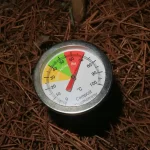
Want to make sure your pile is cooking hot enough to kill weed seeds and speed things up? A compost thermometer will tell you. Stick it in the pile, check the temp, and adjust as needed. They cost about thirty dollars, and you can find them at places like VermiCo.
A Few Tips That Might Save You a Headache
- Only compost weeds if your system gets hot enough to kill the seeds.
- Check if your city or county gives out free compost bins or discounts.
- Chop up big scraps to help them break down faster.
- Keep the balance between green stuff (like veggie scraps) and brown stuff (like dried leaves and cardboard)
Warnings, Because Compost Has Rules Too
- Never add meat, dairy, or anything oily. These attract rats and make your compost smell like a dumpster in summer.
- Keep your bin sealed if you want to avoid bugs.
- Do not use pet waste unless you enjoy risky gardening experiments
What Should You Look For When Buying a Composter?
- Tumbler: Great for beginners and people who like things neat.
- Three-bin system: Ideal for larger gardens and hands-on composters.
- Worm bin: Perfect for apartments or people who want low-odor compost fast.
Composting is not rocket science. Pick the setup that feels right for your space and lifestyle. Get your hands dirty. Laugh at your own mistakes. And enjoy watching your garbage turn into something your plants will absolutely thrive on. Composting is kind of like a slow magic trick. Messy at first, but worth every banana peel.